Supply
Concrete block products supplied for residential, commercial, civil engineering and land-management projects.
Paton Construction Ltd trading as

Modular concrete blocks for storage bays, retaining structures, barriers and yard segregation, manufactured and handled at the Paton yard in Kirknewton.
Interlocking concrete blocks
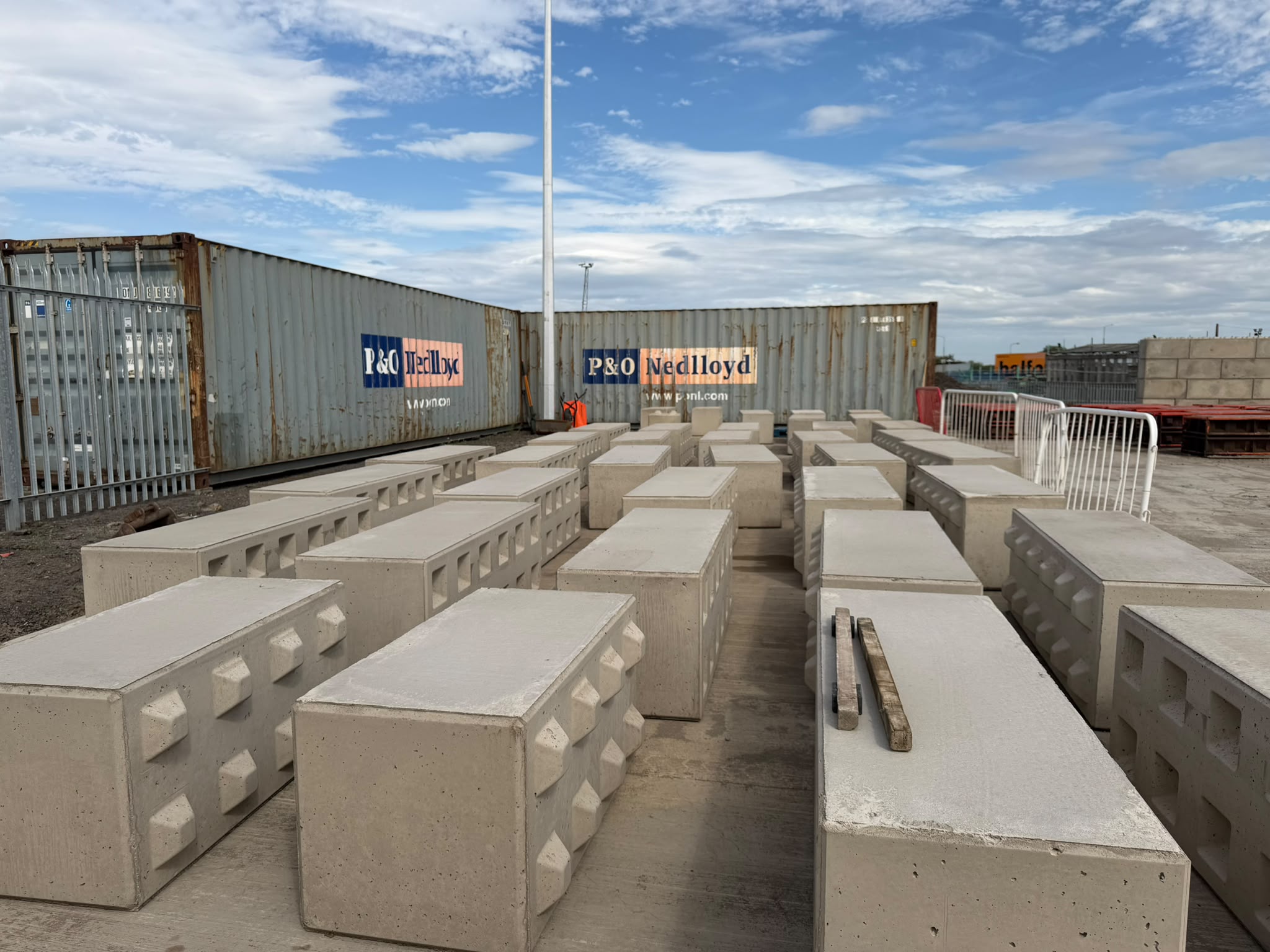
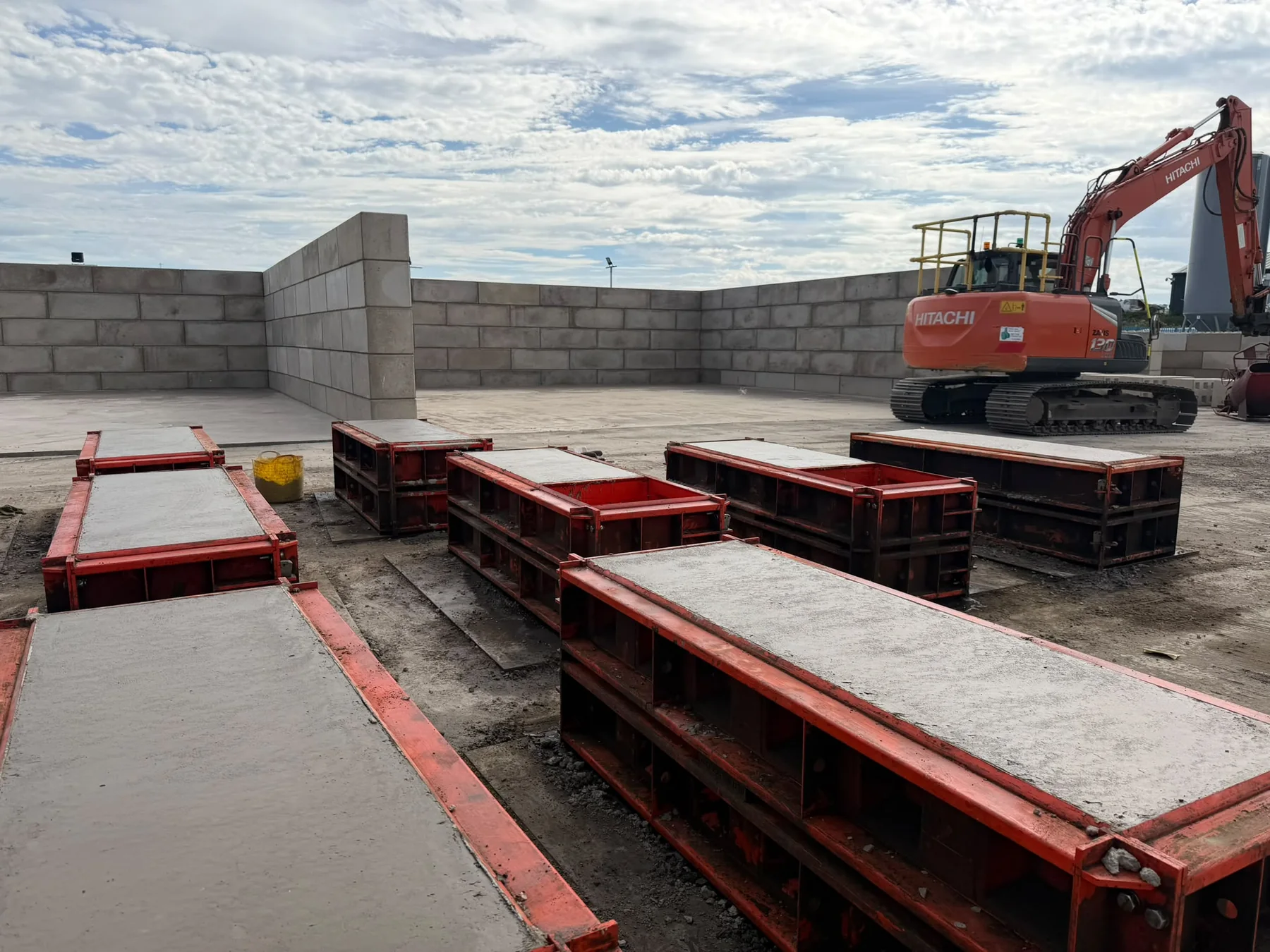
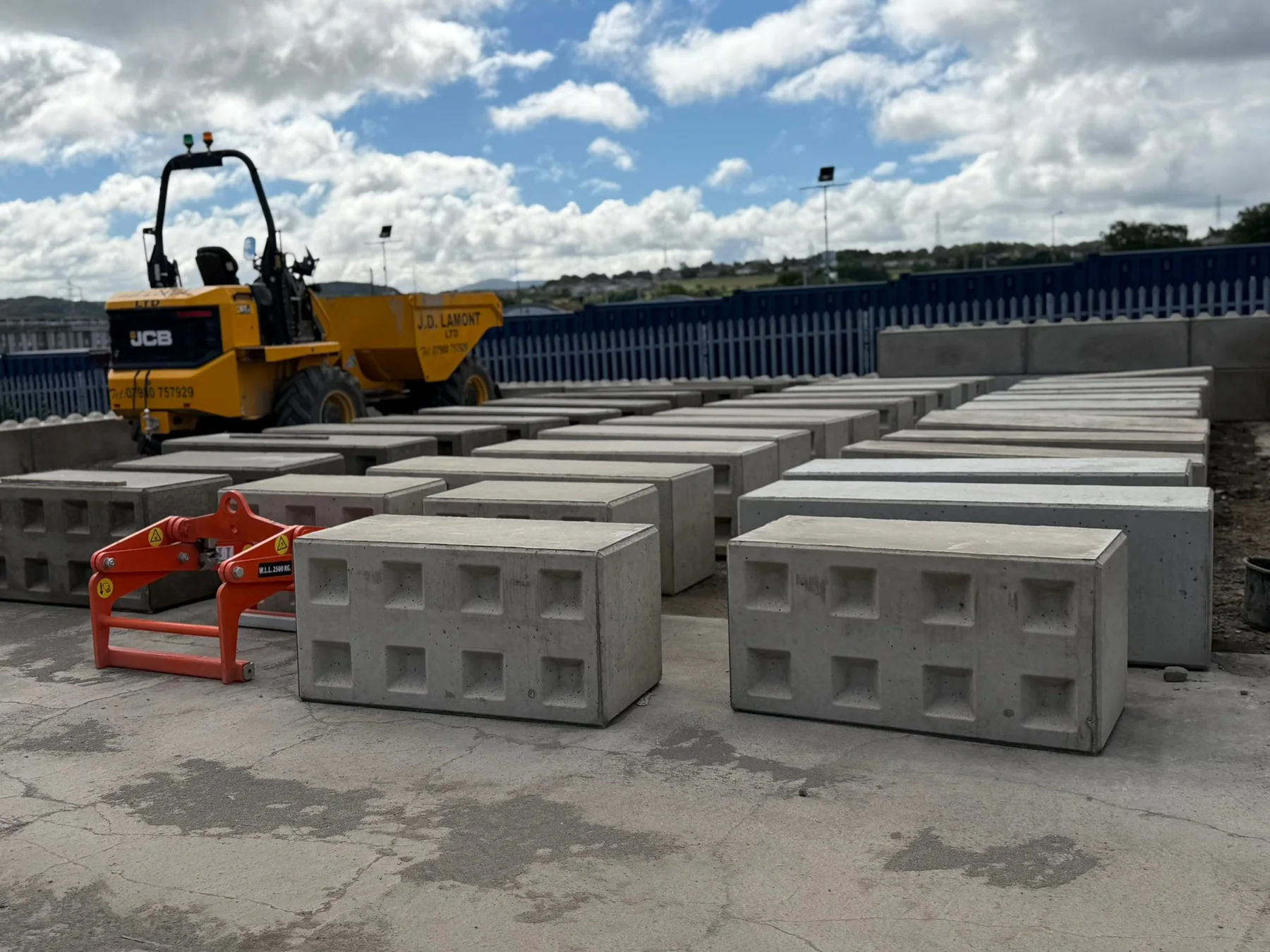
Paton’s Bonnie Blocks manufactures interlocking concrete blocks at the Paton yard in Kirknewton, West Lothian. The blocks are modular concrete units that stack together to form storage bays, walls, barriers and site segregation.
They are supplied for commercial, industrial, agricultural, landscaping and civil engineering projects, and can be repositioned when a yard layout or site requirement changes.
Applications
These stackable concrete blocks are a practical choice where a durable, relocatable structure is needed. Typical uses include:
Storage and segregation
Interlocking blocks are widely used to form aggregate, waste and material bays. Blocks are stacked to create dividing walls that separate materials, define storage areas and keep yard layouts organised.
Bays are formed to suit the space available, and the layout can be changed later by repositioning the blocks. Paton’s Bonnie Blocks will confirm the most suitable arrangement once the application and required quantities are known.
Retaining and barriers
Interlocking concrete blocks can retain level changes, separate site traffic and form protective barriers. Because the blocks are modular, structures can be extended, reduced or relocated as a project develops.
Where a wall retains ground or resists loading, the design depends on wall height, ground conditions, drainage, foundations and any reinforcement. Projects of this type should use the approved supplier technical resources and appropriate professional engineering advice.
Made in Kirknewton
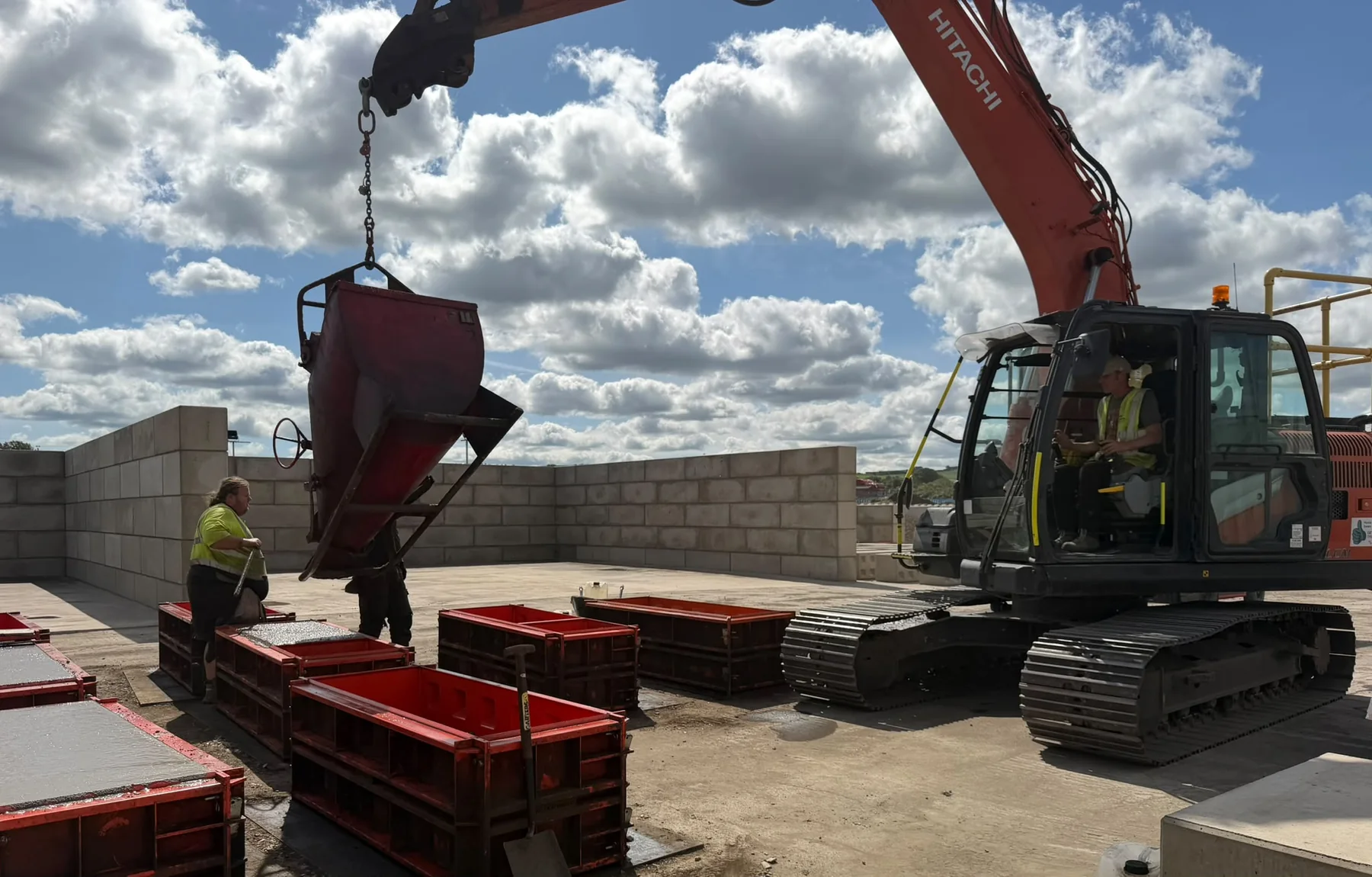
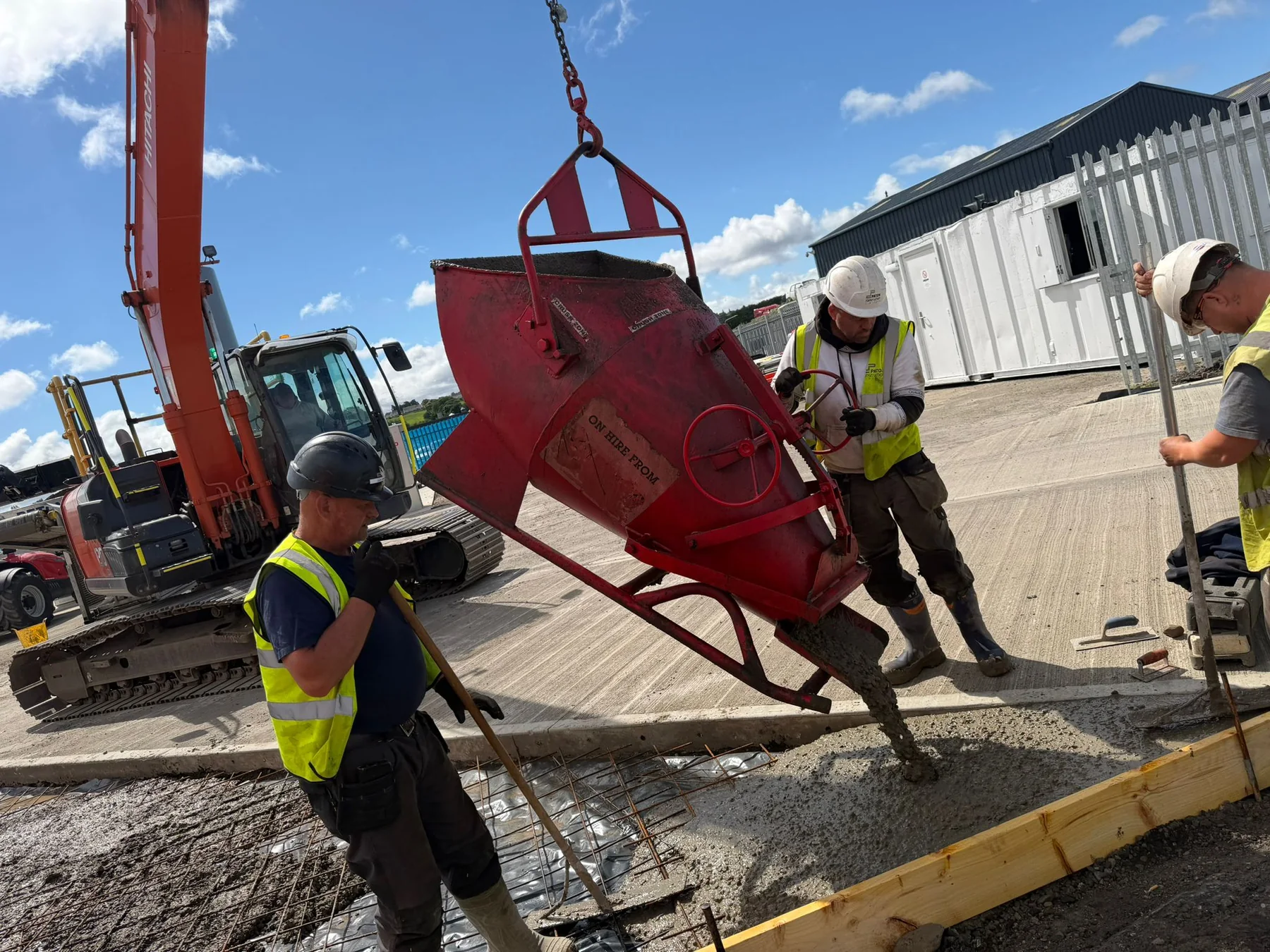
Interlocking concrete blocks are manufactured and handled by the Paton team at Camps Industrial Estate in Kirknewton, West Lothian.
Technical information
Available block sizes and specifications are confirmed for each project. Contact Paton’s Bonnie Blocks with your application and required quantities.
Dimensions, weights and handling details depend on the block and the application, so they are confirmed with you as part of the enquiry. Share the application, the site location and the quantities you need and the team will confirm the current options.
Getting your blocks
Concrete block products supplied for residential, commercial, civil engineering and land-management projects.
Collection from the Paton yard is available strictly by appointment.
Delivery arrangements are available and confirmed as part of the project enquiry.
Installation is available, subject to the product, site requirements and agreed project scope.
Common questions
They are used to form storage bays, retaining structures, barriers and site segregation for commercial, industrial, agricultural and civil engineering projects. Contact Paton’s Bonnie Blocks with your application and the team will confirm suitability.
No. Interlocking blocks are designed to be stacked without mortar joints, using their own profile to locate each unit. Where a structure retains ground or resists loading, the design should be confirmed with the approved technical information and appropriate professional engineering advice.
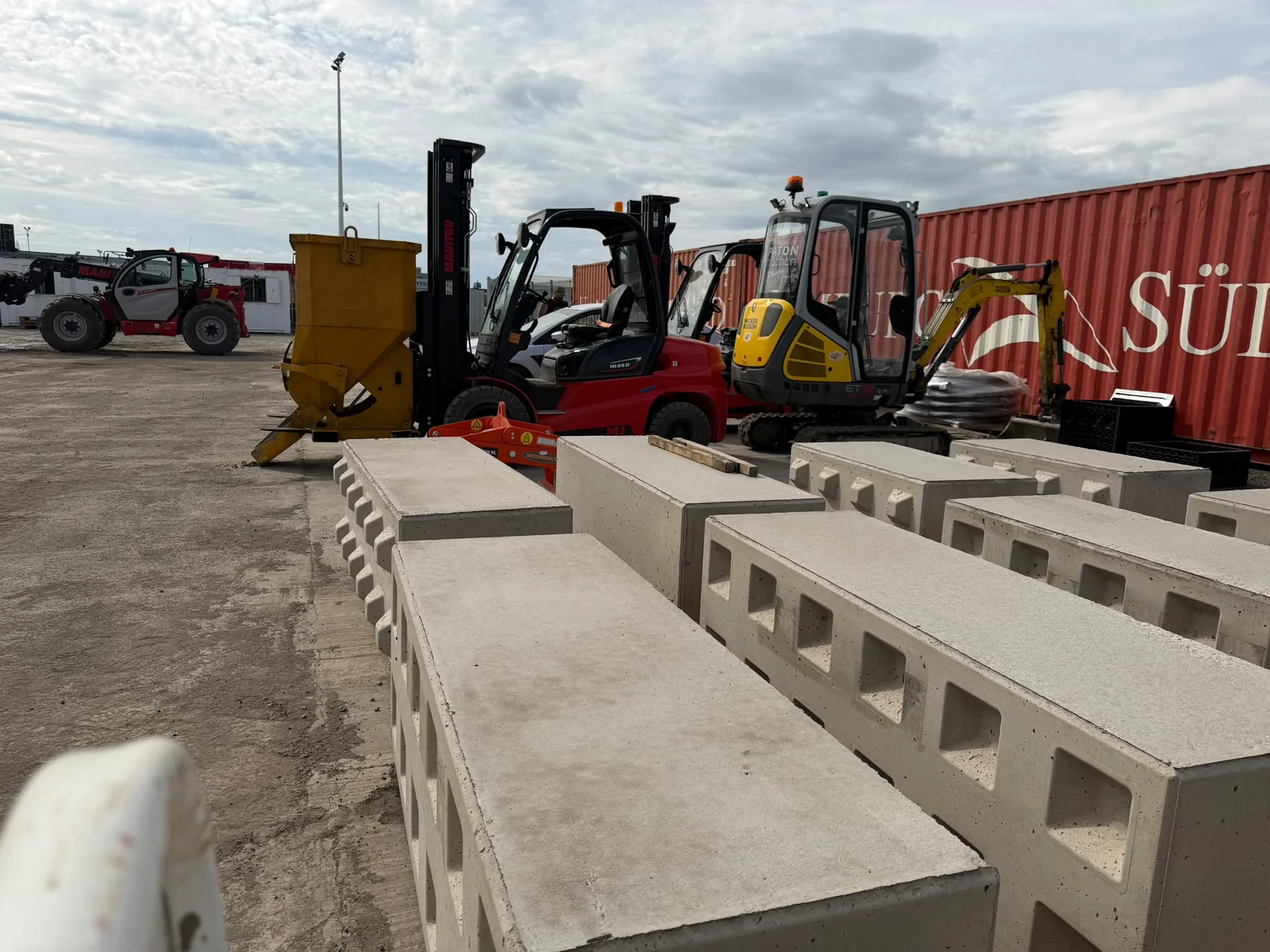
Blocks can be lifted and repositioned using suitable handling equipment, which allows a bay or barrier layout to be changed as a site develops. Handling requirements depend on the block and the site, so they are confirmed as part of the enquiry.
Available block sizes and weights are confirmed for each project. Contact Paton’s Bonnie Blocks with your application and required quantities and the team will confirm the current options.
Supply, appointment-only collection, delivery and installation are available across Scotland, subject to product availability, site requirements and the agreed project scope.
Request pricing
Tell us where the project is located, what the blocks are for and the approximate quantities you need.
Built on trust. Delivered with pride.